
Introduction
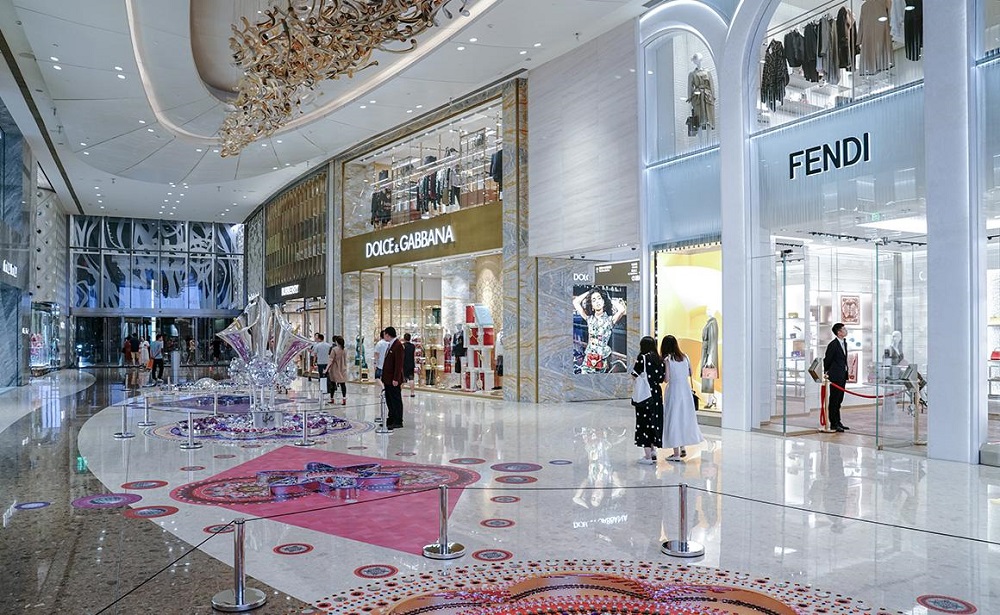
Modern shopping malls have transformed the traditional idea of buying goods into a complete lifestyle experience. They are no longer limited to retail transactions but serve as vibrant social spaces where people shop, dine, relax, and entertain themselves under one roof. Designed with convenience and comfort in mind, malls combine architecture, technology, and services to create an engaging environment for visitors of all age groups.
Today, visiting a mall is often as much about leisure as it is about purchasing products. The blend of shopping outlets, entertainment zones, restaurants, and relaxation spaces makes malls an essential part of urban living.
Architectural Design and Ambience
One of the most noticeable aspects of modern malls is their impressive architectural layout. Spacious walkways, glass ceilings, indoor plants, and artistic lighting create an inviting atmosphere that encourages visitors to explore comfortably.
Key features that enhance ambience include:
- Wide corridors for easy movement
- Climate-controlled interiors
- Natural and artificial lighting combinations
- Comfortable seating areas for rest
- Attractive storefront displays
Such thoughtful design ensures that visitors enjoy a relaxed shopping experience regardless of weather conditions outside.
Variety of Shopping Choices
Modern malls bring together a wide range of national and international brands in one location. Customers can compare products, explore new collections, and make informed purchasing decisions without traveling across the city.
Common retail categories found in malls include:
- Fashion and accessories
- Electronics and gadgets
- Cosmetics and personal care
- Home décor and furniture
- Books and stationery
This diversity allows visitors to complete multiple shopping tasks during a single visit.
Entertainment Beyond Shopping
Modern malls function as entertainment hubs. They offer activities that appeal to families, young adults, and children alike. Visitors often spend several hours enjoying experiences that go far beyond retail browsing.
Popular entertainment facilities include:
- Multiplex cinemas
- Indoor gaming arcades
- Children’s play zones
- Live performances and seasonal events
- Interactive exhibitions
These attractions transform malls into weekend destinations rather than simple shopping locations.
Dining Experiences Inside Malls
Food courts and restaurants are central to the mall experience. They offer a wide variety of cuisines that cater to different tastes and budgets. From quick snacks to full-course meals, visitors can easily combine shopping with dining.
Dining areas in modern malls typically feature:
- Fast food outlets
- Multi-cuisine restaurants
- Specialty cafés
- Dessert and beverage counters
- Comfortable seating arrangements
These options encourage visitors to extend their stay and enjoy social interactions with friends and family.
Convenience and Customer Services
Modern malls focus strongly on visitor comfort and accessibility. Facilities are carefully planned to ensure smooth navigation and enjoyable experiences for everyone.
Essential convenience features often include:
- Ample parking space
- Clean restrooms and baby-care rooms
- Information counters
- Wheelchair accessibility
- Digital directories and navigation screens
- Security systems for visitor safety
Such services enhance customer satisfaction and encourage repeat visits.
Role of Technology in Enhancing the Experience
Technology plays an important role in shaping the modern mall environment. Smart systems help visitors locate stores, explore offers, and move efficiently through large spaces.
Examples of technology-driven improvements include:
- Interactive digital maps
- Contactless payment systems
- Mobile-based parking assistance
- Smart lighting and energy management
- Loyalty programs through mobile applications
These innovations make shopping faster, easier, and more personalized.
Social and Cultural Significance of Modern Malls
Beyond commerce, malls serve as community gathering spaces. People meet friends, celebrate occasions, attend events, and participate in cultural activities within mall premises.
They contribute to urban lifestyles by:
- Providing safe recreational spaces
- Hosting exhibitions and seasonal festivals
- Supporting local brand promotions
- Encouraging family outings
- Creating employment opportunities
As a result, malls have become important social landmarks in many cities.
Challenges Faced by Modern Shopping Malls
Despite their popularity, malls face several challenges in maintaining visitor engagement and operational efficiency.
Common concerns include:
- Increasing competition from online shopping
- High maintenance costs
- Changing consumer preferences
- Parking congestion during peak hours
- Seasonal fluctuations in footfall
Mall developers continuously adapt strategies to remain relevant in a rapidly evolving retail environment.
The Future of Mall Shopping Experiences
The future of malls is expected to focus on immersive experiences rather than traditional retail alone. Developers are integrating digital engagement, entertainment innovation, and sustainability practices into mall planning.
Emerging trends include:
- Experience-based retail spaces
- Eco-friendly infrastructure
- Smart parking technologies
- Virtual trial rooms
- Hybrid retail and entertainment zones
These developments will redefine how people interact with physical shopping environments in the coming years.
Frequently Asked Questions
1. Why do people prefer malls over traditional markets today
Malls offer comfort, cleanliness, variety, and entertainment options in one location, making shopping more convenient and enjoyable.
2. How do malls ensure visitor safety
Most malls maintain surveillance systems, trained security staff, emergency exits, and structured crowd management procedures.
3. Are modern malls suitable for family outings
Yes, they provide entertainment zones, dining areas, children’s play sections, and relaxation spaces suitable for all age groups.
4. How do malls support local businesses
Many malls allocate retail space for regional brands and organize promotional events to highlight local products.
5. What makes mall shopping different from online shopping
Mall shopping allows customers to physically examine products, try items before purchase, and enjoy social interaction during the visit.
6. Do malls contribute to employment opportunities
Yes, malls create jobs in retail, hospitality, maintenance, security, and entertainment sectors.
7. How are malls adapting to changing consumer expectations
Malls are integrating technology, improving customer services, and adding experience-based attractions to remain attractive to visitors.


