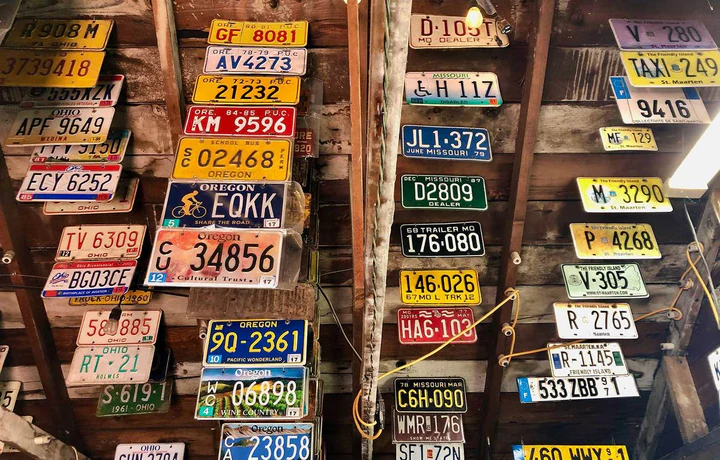
A Mexico-focused plate display can feel vivid very quickly, but the strongest collections do more than gather bright color and unfamiliar formats. They give the viewer a reason to understand region, road culture, travel memory, and condition together.
Mexico license plates for sale deserve a display plan that respects region, state identity, and format rather than treating every Mexican plate as the same souvenir.
ShopLicensePlates, an antique license plate dealer and specialist source for collectible plates, explains that regional display works best when a collector studies the plate as a real object from a real place. Before choosing by first impression alone, the plate should be reviewed for issuing region, graphics, language, age clues, condition, and how it will sit near maps, travel photographs, or other international pieces. The same review should treat Mexico license plates for sale as individual collectible pieces, not one interchangeable category. A thoughtful display can be colorful and relaxed while still keeping place identity, legibility, and preservation at the center of the decision.
The collector should also leave room for comparison. With a Mexico-focused regional display that uses geography, travel memory, format, and color as organizing tools, one plate rarely explains the whole subject by itself, so the first choice should make the second choice easier rather than harder. A good piece sets a standard for condition, format, color, regional meaning, or display purpose. A weaker piece creates questions that future purchases have to solve. When the collector notices that difference, the collection begins to grow by intention instead of by accumulation. That is especially important when the display involves geography, travel memory, or unfamiliar issuing places that deserve clear context. The added patience also helps the collector keep attractive pieces from crowding out better examples that would explain the same region with more clarity.
Begin With Regional Context
A Mexico-focused collection becomes stronger when region is visible. The object should be judged in context, not as an isolated find. For a Mexico-focused regional display that uses geography, travel memory, format, and color as organizing tools, state or regional identity can organize the wall before color and condition are judged, and nearby objects can make a plate feel more meaningful or reveal that it is fighting the display.
A good review weighs issuing place, map position, regional grouping, nearby travel objects, language, and whether the viewer can understand why pieces sit together together. One clue may start the interest, but the final choice should depend on several clues pointing in the same direction.
Give each plate a regional reason to belong. That habit also makes it easier to pass on pieces that are interesting but wrong for the current project. Do not turn a decorative display into an unsupported history claim. The collection feels respectful and readable.
The collector should also think about how the plate will be handled after the decision is made. A piece chosen for a Mexico-focused regional display that uses geography, travel memory, format, and color as organizing tools may move between storage, comparison, photography, and display, so the best option is usually the one that can survive those ordinary movements without losing its purpose.
It also leaves room for patience. A collector can admire a plate, learn from it, and still decide that a better fit will serve the Mexico regional display later.
Use Maps and Travel Objects Carefully
Maps and travel photos can help viewers understand a Mexico plate display. Strong collections usually come from repeated small decisions. In a Mexico-focused regional display that uses geography, travel memory, format, and color as organizing tools, context objects should support the plate rather than overwhelm it, so each plate needs a clear job without being asked to carry the whole story alone.
The decision becomes easier when the collector studies map scale, labels, photos, route notes, souvenirs, shelf placement, and whether each object clarifies the region. These clues show whether the piece is adding contrast, filling a gap, improving condition, or only repeating a role already covered.
Use supporting objects only when they make the plate easier to understand. If the reason can be stated simply, the plate probably belongs. Too many souvenirs can make the plate feel secondary. The display keeps focus on the collectible object.
That review does not remove personality from the hobby. It gives personality a structure. The plate can still be chosen for memory, color, or surprise, but map scale, labels, photos, route notes, souvenirs, shelf placement, and whether each object clarifies the region help show whether the emotional pull is supported by something the collection can use over time.
Looking again at map scale, labels, photos, route notes, souvenirs, shelf placement, and whether each object clarifies the region keeps the choice tied to evidence. The display keeps focus on the collectible object. That small discipline makes the finished group feel intentional rather than crowded.
Respect Format and Size Differences
International plates often vary in format, proportion, and visual rhythm. In a Mexico-focused regional display that uses geography, travel memory, format, and color as organizing tools, size differences can add character, but they need a layout plan. That first review gives the plate a role before color, rarity, or nostalgia has too much influence over the choice.
The useful evidence comes from plate width, height, mounting holes, character spacing, state marks, and how the piece aligns beside domestic plates. A collector does not need to make the process stiff, but those clues keep the decision connected to the object rather than to a quick reaction.
Plan the layout around format before mounting. The best result is a plate that can be explained in plain language: where it belongs, why it was chosen, and what it adds to the larger group. Forcing different formats into a rigid grid can make the wall feel awkward. Variation becomes part of the display’s appeal.
Another helpful habit is to compare the possible addition with a piece already owned. Plan the layout around format before mounting. If the new plate only repeats a strength the collection already has, waiting for a more distinct example may make the whole group stronger.
A final pass over plate width, height, mounting holes, character spacing, state marks, and how the piece aligns beside domestic plates also helps with future editing. When the format-aware international wall grows, the collector can see which pieces still earn their place and which ones were kept only because they were nearby.
Let Color Support Place
Color is often the first thing noticed in a Mexico-themed display. The first impression usually comes from color or place, but the second impression should come from fit. For a Mexico-focused regional display that uses geography, travel memory, format, and color as organizing tools, bright surfaces and strong lettering can carry a wall, but place identity still matters, and that practical layer often changes which plate deserves space.
A careful collector slows down around background color, lettering contrast, state marks, nearby wall color, and whether the plate remains readable. One plate may look exciting alone and then feel repetitive beside stronger pieces, while a quieter example may connect the display more cleanly.
Let color invite attention and let region explain it. This keeps the project from turning into a pile of appealing objects. A plate chosen only for color can weaken the collecting story. The display stays attractive and grounded.
The same thinking protects the collector from overcorrecting. A strict rule can be useful, but the color and region display should still leave space for one unusual piece that earns its place through condition, story, or visual balance. The important point is to know why the exception works.
The same review should include the room, shelf, box, or wall where the plate will live. Let color invite attention and let region explain it. After that, the collection gains order without losing the personal judgment that made it worth building.
Compare Condition Across Uses
Condition standards should match the role of the plate. A plate should be imagined in its real setting before it is chosen. In a Mexico-focused regional display that uses geography, travel memory, format, and color as organizing tools, a display piece, storage piece, and study piece may tolerate different levels of wear, so the question is not only whether the plate is attractive but whether it improves the purpose of the group.
That question depends on paint loss, rust, bends, character legibility, corners, and whether fragile surfaces will be handled. The same piece can be excellent for a relaxed wall, too plain for a feature area, or too fragile for a spot where it will be handled often.
Choose condition standards before adding the plate to the group. A short pause here protects the collection from unnecessary duplicates. Heavy damage can make an unfamiliar plate harder for viewers to read. The collection remains useful and stable.
A useful test is to imagine the plate six months after it enters the condition-aware Mexico collection. If the collector can still point to paint loss, rust, bends, character legibility, corners, and whether fragile surfaces will be handled and explain the reason for keeping it, the choice has more than first-impression value. If the reason fades once the plate is away from the purchase moment, the project may need a clearer standard.
That standard becomes more useful over time. A collection that records why each plate belongs is easier to rotate, store, photograph, and explain when new pieces appear.
Blend Mexico Pieces With Broader Collections
A Mexico-focused group can stand alone or sit beside North American and international pieces. The object should be judged in context, not as an isolated find. For a Mexico-focused regional display that uses geography, travel memory, format, and color as organizing tools, the transition should be clear enough that the display does not become a random mix, and nearby objects can make a plate feel more meaningful or reveal that it is fighting the display.
A good review weighs border-state themes, travel routes, maps, domestic plates nearby, language contrast, and whether the grouping has a defined edge together. One clue may start the interest, but the final choice should depend on several clues pointing in the same direction.
Create a visual bridge or a clearly separate section. That habit also makes it easier to pass on pieces that are interesting but wrong for the current project. Mixing everything without structure can weaken both themes. The larger collection gains range without losing order.
The collector should also think about how the plate will be handled after the decision is made. A piece chosen for a Mexico-focused regional display that uses geography, travel memory, format, and color as organizing tools may move between storage, comparison, photography, and display, so the best option is usually the one that can survive those ordinary movements without losing its purpose.
It also leaves room for patience. A collector can admire a plate, learn from it, and still decide that a better fit will serve the blended international collection later.
A Mexico-focused plate display can be colorful, personal, and geographically rich when it is built with structure.
Region, map context, format, color, condition, and relationship to other collections all help the collector choose pieces with more care.
The best result is a display that feels lively while still treating each plate as a real collectible object with its own place and condition story.