Industrial processes rely heavily on controlled fluid movement to maintain efficiency, safety, and product quality. Whether it is chemical processing, oil refining, food production, or heavy manufacturing, the ability to transfer liquids accurately under varying conditions is essential. Pumps used in these systems must deliver not only flow but also consistency, pressure stability, and reliability over long operating cycles.
Among the different pumping technologies available, positive displacement systems are widely recognized for their precision and durability. Within this category, rotary gear pumps have earned a strong position due to their ability to handle a wide range of fluids while maintaining consistent performance. Their simple yet highly effective working principle makes them one of the most trusted solutions in industrial pumping environments.
Understanding Rotary Gear Pumps and Their Working Principle
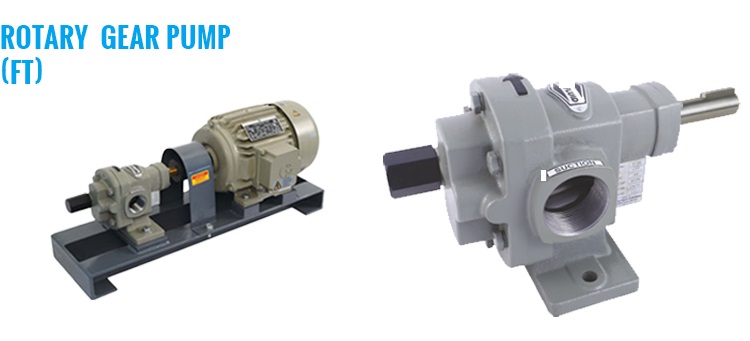
Rotary gear pumps operate on a straightforward mechanical concept. They use the rotation of gears to move fluid from the inlet side to the discharge side. As the gears rotate, they create expanding cavities on the suction side that draw in liquid. The liquid is then trapped between the gear teeth and the pump casing and carried toward the outlet, where the gears mesh again, forcing the fluid out under pressure.
This continuous and controlled movement ensures a steady flow regardless of changes in system resistance. Unlike dynamic pumps that rely on velocity and pressure conversion, rotary gear pumps provide a fixed volume of fluid per rotation. This makes them highly predictable and suitable for applications where accuracy and consistency are essential.
The simplicity of this mechanism also contributes to its reliability. With fewer complex moving parts, the system reduces the chances of mechanical failure and allows for smoother operation over extended periods.
Why Rotary Gear Pumps Are Preferred in Industrial Applications
The widespread adoption of rotary gear pumps across industries is not accidental. Their design addresses several key challenges that industrial systems frequently face, including fluctuating pressure, variable fluid viscosity, and the need for continuous operation.
One of the most important advantages is flow stability. Industrial processes often require precise fluid delivery to maintain chemical balance, lubrication efficiency, or process integrity. Rotary gear pumps ensure that the flow remains consistent even when operating conditions change.
Another key reason for their popularity is versatility. These pumps can handle a wide range of fluids, including viscous oils, resins, fuels, and chemical solutions. This adaptability makes them suitable for multiple industries without requiring major design modifications.
Additionally, their compact structure allows for easy integration into complex systems where space is limited. This flexibility further strengthens their position in industrial applications.
Role of Rotary Gear Pumps in Enhancing System Efficiency
Efficiency is a critical factor in any industrial operation. Equipment that minimizes energy loss while maintaining performance consistency is highly valued. Rotary gear pumps contribute significantly to system efficiency by delivering a fixed volume of fluid with each rotation, reducing unnecessary energy fluctuations.
Since these pumps operate through direct mechanical motion, energy transfer is efficient and predictable. There is minimal slippage when properly maintained, which ensures that most of the input energy is converted into useful fluid movement.
Another efficiency advantage lies in their ability to handle high viscosity fluids without requiring excessive power. Many other pump types struggle with thick liquids, leading to energy inefficiencies. In contrast, rotary gear pumps maintain stable performance even with challenging fluid characteristics.
This combination of mechanical efficiency and operational stability makes them an ideal choice for continuous industrial processes.
Importance of Precision in Fluid Handling Systems
Precision is a defining requirement in modern industrial systems. Even minor variations in flow can impact product quality, safety, and system performance. Rotary gear pumps are particularly valued for their ability to deliver precise and repeatable flow rates.
This precision comes from the mechanical design of the pump. Each rotation of the gears displaces a fixed amount of fluid, allowing engineers to calculate and control output with high accuracy. This makes the system highly reliable for dosing, metering, and controlled transfer applications.
Industries such as chemical processing and pharmaceuticals benefit greatly from this precision. In such environments, even slight inconsistencies can lead to significant operational issues. The predictable performance of rotary gear pumps helps maintain process stability and ensures consistent results.
Applications Across Different Industrial Sectors
Rotary gear pumps are used across a wide range of industries due to their versatility and reliability. In manufacturing environments, they are commonly used for lubricating machinery and transferring industrial oils. Their ability to provide steady flow ensures that equipment operates smoothly under continuous load.
In the chemical industry, these pumps are used to handle reactive and viscous fluids. Their sealed design helps reduce leakage risk and maintains controlled transfer of sensitive materials. This makes them suitable for both aggressive and delicate chemical processes.
In the energy sector, rotary gear pumps play a role in fuel transfer, lubrication systems, and hydraulic operations. Their ability to handle high pressure and maintain consistent output is particularly valuable in these demanding environments.
They are also widely used in food and beverage processing where hygiene and accuracy are critical. Properly designed systems ensure smooth handling of edible liquids without compromising quality or safety standards.
The widespread adoption across industries highlights the adaptability and reliability of this pumping technology.
Role of Gear Pump Manufacturer in Ensuring Quality and Performance
The performance of rotary gear pumps is highly dependent on design precision and manufacturing quality. A skilled gear pump manufacturer plays a crucial role in ensuring that these systems meet industrial standards and operational demands.
Manufacturing quality directly affects efficiency, durability, and reliability. Precision machining of gears, accurate alignment, and proper material selection are all essential factors that influence pump performance. Even minor deviations can lead to reduced efficiency or increased wear over time.
A reliable gear pump manufacturer also focuses on customizing designs based on application needs. Different industries require different configurations depending on fluid type, pressure conditions, and operational environment. Tailored engineering ensures that pumps deliver optimal performance under specific conditions.
In addition, quality manufacturers emphasize testing and validation. Each pump is typically evaluated under simulated operating conditions to ensure consistency and reliability before deployment. This ensures long term performance and reduces the risk of system failure in critical operations.
Maintenance and Operational Longevity
Although rotary gear pumps are known for their durability, proper maintenance is essential to ensure long term performance. Regular inspection of internal components helps identify early signs of wear or misalignment.
Lubrication quality also plays a significant role in maintaining efficiency. Contaminated or degraded fluids can impact performance and increase internal friction. Ensuring clean and compatible fluid handling helps extend pump life.
Operating conditions must also be monitored carefully. Excessive pressure, temperature fluctuations, or improper installation can reduce efficiency and lead to premature wear.
With proper maintenance practices, rotary gear pumps can operate reliably for long periods, making them a cost effective solution for industrial systems.
Technological Advancements in Rotary Gear Pump Systems
Modern industrial demands have driven continuous improvements in pump technology. Rotary gear pumps have benefited from advancements in material science, precision engineering, and digital monitoring systems.
Improved materials have increased resistance to wear, corrosion, and temperature variations. This has expanded their usability in more demanding environments.
Precision manufacturing techniques have also enhanced efficiency by reducing internal leakage and improving gear alignment. These improvements contribute to better performance and lower energy consumption.
In addition, integration with monitoring systems allows real time performance tracking. This helps industries detect inefficiencies early and optimize maintenance schedules, improving overall system reliability.
These advancements ensure that rotary gear pumps remain relevant in increasingly complex industrial environments.
Rotary gear pumps continue to play a vital role in industrial pumping applications due to their reliability, precision, and versatility. Their ability to deliver a consistent flow under varying conditions makes them essential for a wide range of industries.
The involvement of a skilled gear pump manufacturer ensures that these systems meet strict performance standards and adapt to diverse operational requirements. With strong efficiency, durability, and adaptability, rotary gear pumps remain one of the most dependable solutions for modern fluid handling systems.
As industries evolve and demand greater precision and efficiency, these pumps will continue to be a fundamental component in ensuring smooth and reliable operations across multiple sectors.