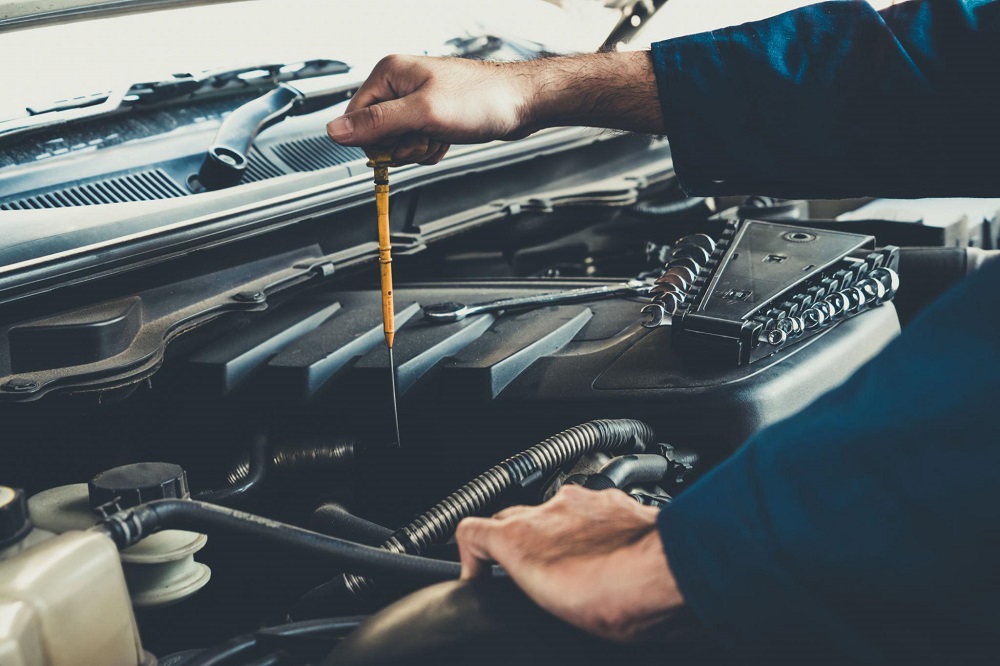
Owning a vehicle is a long-term investment, and regular maintenance plays a critical role in ensuring reliability, safety, and performance. Many drivers focus only on fuel efficiency and appearance, but preventive care significantly reduces breakdown risks and expensive repairs. This guide explains practical maintenance habits every vehicle owner should follow to keep their car running smoothly for years.
Why Regular Vehicle Maintenance Matters
Routine maintenance improves engine efficiency, enhances safety, and preserves resale value. Ignoring scheduled service can lead to premature wear of critical components and costly mechanical failures.
Key benefits include:
- Improved fuel economy
- Longer engine lifespan
- Safer driving conditions
- Reduced repair expenses
- Higher resale value
Consistent care also ensures compliance with manufacturer service recommendations.
Check and Change Engine Oil Regularly
Engine oil lubricates moving parts and prevents overheating caused by friction. Over time, oil collects dirt and loses effectiveness, which can damage internal components.
Best practices include:
- Checking oil levels once every month
- Replacing oil every 5,000 to 10,000 kilometers depending on vehicle type
- Using manufacturer-recommended oil grade
- Replacing oil filters during oil change service
Fresh oil ensures smooth engine operation and better mileage.
Maintain Correct Tire Pressure and Alignment
Tires directly affect braking performance, fuel efficiency, and driving comfort. Improper tire pressure increases rolling resistance and uneven wear.
Important tire maintenance steps:
- Check tire pressure every two weeks
- Rotate tires every 8,000 to 10,000 kilometers
- Inspect tread depth regularly
- Perform wheel alignment if steering pulls sideways
Proper tire care improves stability and reduces accident risk.
Inspect Brake System Frequently
The braking system is one of the most critical safety components in any vehicle. Worn brake pads reduce stopping power and increase collision risk.
Warning signs that require inspection:
- Squeaking or grinding noise
- Vibration during braking
- Increased stopping distance
- Brake warning indicator on dashboard
Regular brake checks ensure safe driving conditions.
Monitor Battery Health
A weak battery can leave drivers stranded unexpectedly. Extreme temperatures and short trips reduce battery lifespan.
Battery maintenance tips:
- Inspect terminals for corrosion
- Check voltage levels periodically
- Replace battery every three to five years
- Avoid leaving electrical accessories on when engine is off
Healthy batteries support reliable vehicle starting performance.
Replace Air Filters on Schedule
Clean air filters improve combustion efficiency and protect engine components from dust particles.
Benefits of replacing air filters include:
- Better acceleration response
- Improved fuel efficiency
- Reduced emissions
- Longer engine durability
Most vehicles require filter replacement every 12,000 to 15,000 kilometers depending on driving conditions.
Pay Attention to Dashboard Warning Indicators
Modern vehicles include onboard diagnostic systems that alert drivers about potential mechanical issues. Ignoring warning lights may lead to serious engine damage.
Common warning indicators include:
- Engine warning light
- Battery alert
- Oil pressure signal
- Brake system warning
Immediate attention prevents costly repairs later.
Maintain Cooling System Efficiency
The cooling system prevents engine overheating during long drives and high-temperature conditions.
Recommended maintenance steps:
- Check coolant levels monthly
- Replace coolant as per service schedule
- Inspect radiator hoses for leaks
- Ensure radiator fan operates correctly
Proper cooling improves engine reliability and longevity.
Follow Manufacturer Service Schedule
Vehicle manufacturers provide detailed maintenance schedules tailored to specific models. Following these guidelines ensures optimal performance and warranty protection.
Typical scheduled services include:
- Engine inspection
- Transmission fluid replacement
- Suspension checks
- Spark plug replacement
Routine servicing reduces unexpected breakdown risks significantly.
FAQ Section
How often should a car undergo general servicing
Most vehicles require general servicing every six months or after 10,000 kilometers depending on driving conditions and manufacturer recommendations
What happens if engine oil is not changed regularly
Old engine oil loses lubrication ability and can cause overheating, increased friction, and severe engine damage over time
Can incorrect tire pressure affect fuel efficiency
Yes improper tire pressure increases rolling resistance which reduces mileage and accelerates tire wear
How long does a typical car battery last
A standard car battery usually lasts between three and five years depending on climate conditions and driving habits
Is wheel alignment necessary after replacing tires
Wheel alignment is recommended after tire replacement to ensure even wear and stable steering performance
Why do dashboard warning lights appear suddenly
Dashboard lights appear when sensors detect abnormal conditions within vehicle systems requiring immediate inspection
Does regular servicing increase vehicle resale value
Vehicles with consistent service records generally attract higher resale value because buyers trust their maintenance history