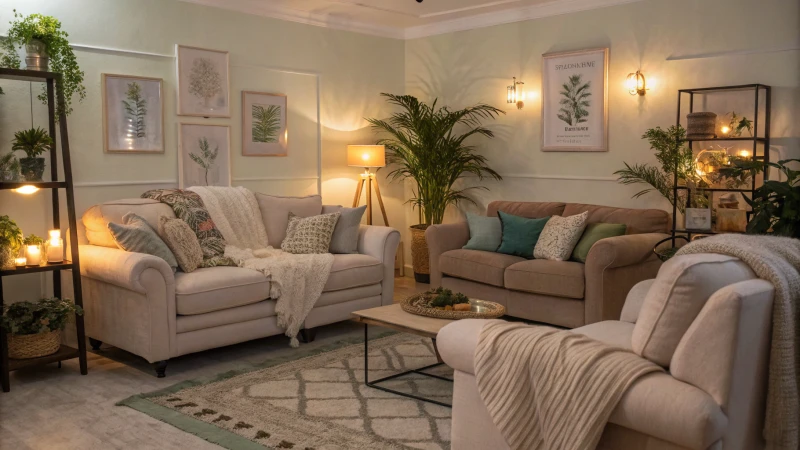
Lighting shapes how a home feels just as much as furniture, color, or layout. The right lighting supports emotional balance, improves focus, reduces stress, and encourages better sleep patterns. By adjusting natural and artificial lighting intentionally, homeowners can create spaces that promote calmness, productivity, and comfort every day.
This guide explains how lighting influences mood and how to use simple lighting strategies to improve wellbeing naturally inside the home.
Why Lighting Has a Direct Impact on Mood
Light affects the body’s internal clock, also known as the circadian rhythm. This biological system controls sleep cycles, energy levels, alertness, and emotional stability.
When indoor lighting aligns with natural daylight patterns, it helps:
- Improve concentration and mental clarity
- Reduce fatigue and eye strain
- Support deeper sleep at night
- Lower stress levels
- Increase overall comfort indoors
Poor lighting, especially dim or harsh artificial lighting used at the wrong time of day, can lead to irritability, headaches, and reduced productivity.
The Role of Natural Light in Emotional Wellbeing
Natural daylight is the most effective mood-enhancing light source available at home. Exposure to sunlight supports serotonin production, which helps regulate mood and emotional balance.
Ways to increase natural light indoors include:
- Keeping windows clean and unobstructed
- Using light-colored curtains instead of heavy drapes
- Placing mirrors opposite windows
- Choosing reflective wall colors
- Rearranging furniture away from window paths
Morning sunlight is especially helpful because it signals the body to wake naturally and improves daily energy levels.
Warm Lighting Creates a Calm and Relaxing Atmosphere
Warm-toned lighting supports relaxation and emotional comfort, particularly during evening hours. It helps the brain transition into rest mode by reducing stimulation.
Warm lighting works best in:
- Bedrooms
- Living rooms
- Reading corners
- Dining areas
Soft yellow lighting encourages calm conversation and creates a welcoming environment for family interaction.
Avoid bright white lighting at night because it can interfere with melatonin production and disrupt sleep patterns.
Cool Lighting Improves Focus and Productivity
Cool white lighting supports alertness and attention. It works well in spaces where mental activity is required.
Best locations for cool lighting include:
- Home offices
- Study areas
- Kitchens
- Workstations
Balanced exposure to cool lighting during the daytime improves concentration without causing strain when used correctly.
Layered Lighting Makes Spaces Feel Comfortable and Balanced
Layered lighting combines multiple light sources to create a flexible and emotionally supportive environment.
There are three essential layers:
Ambient lighting
Provides overall brightness across the room. Ceiling fixtures and wall lights usually serve this purpose.
Task lighting
Supports specific activities like reading, cooking, or working.
Accent lighting
Highlights artwork, textures, plants, or architectural features to add visual warmth.
Together, these layers prevent harsh shadows and improve comfort throughout the day.
Lighting Color Temperature Influences Emotional Response
Different color temperatures affect how people feel inside a space.
Typical mood effects include:
- Warm white supports relaxation and comfort
- Neutral white supports balance and clarity
- Cool white supports alertness and activity
Switching color temperatures based on time of day creates a natural rhythm inside the home environment.
Indirect Lighting Reduces Stress and Eye Strain
Indirect lighting reflects light off walls or ceilings instead of shining directly into the eyes. This technique softens the environment and reduces visual fatigue.
Examples include:
- Wall washers
- Cove lighting
- Hidden LED strips
- Floor lamps facing upward
Indirect lighting is especially useful in bedrooms and living rooms where relaxation is important.
Lighting Placement Affects How Spacious a Room Feels
Proper light placement can make interiors feel larger, brighter, and more welcoming.
Helpful placement techniques include:
- Lighting darker corners to eliminate shadows
- Using vertical lighting to highlight walls
- Placing lamps at different heights
- Highlighting shelves or artwork
Balanced lighting distribution improves both mood and visual comfort.
Smart Lighting Helps Maintain a Healthy Daily Rhythm
Smart lighting systems allow automatic adjustment throughout the day. These systems mimic natural daylight cycles and help maintain consistent energy levels.
Benefits include:
- Automatic brightness adjustment
- Scheduled lighting transitions
- Evening warm light activation
- Morning daylight simulation
This supports better sleep patterns and improved emotional stability.
Choosing the Right Bulbs for Mood Support
Selecting suitable bulbs improves the effectiveness of home lighting.
Consider the following:
- Use warm bulbs in relaxation areas
- Use neutral bulbs in shared living spaces
- Use cool bulbs in work areas
- Choose dimmable bulbs for flexibility
- Prefer high-quality LED bulbs for consistency
The right bulb choice enhances comfort without increasing energy consumption.
Small Lighting Changes That Deliver Immediate Results
Simple adjustments can quickly improve the mood inside any home.
Try these practical upgrades:
- Replace harsh ceiling lights with layered lighting
- Add a reading lamp near seating areas
- Introduce bedside lamps with warm tones
- Install under-cabinet kitchen lighting
- Position mirrors to reflect daylight
These small steps create noticeable improvements in atmosphere and emotional comfort.
FAQ Section
How many hours of natural light should a home receive daily for better mood?
Exposure to natural light for at least two to three hours during the daytime helps support healthy sleep cycles and improves emotional balance.
Is warm lighting better than cool lighting for mental health?
Warm lighting is better for relaxation, while cool lighting supports alertness. Both are useful when applied at appropriate times of the day.
Can poor lighting cause stress at home?
Yes. Harsh or insufficient lighting can increase eye strain, disrupt sleep patterns, and contribute to irritability and fatigue.
Which rooms benefit most from layered lighting?
Living rooms, bedrooms, kitchens, and home offices benefit the most because they serve multiple functions throughout the day.
Does lighting affect sleep quality inside the home?
Yes. Exposure to bright white light late in the evening can delay sleep. Warm lighting supports natural sleep preparation.
Are LED lights suitable for improving indoor mood?
High-quality LED lights are effective because they provide stable brightness, adjustable color temperatures, and energy efficiency.
What is the best lighting setup for evening relaxation?
A combination of dimmable warm lighting, indirect lighting sources, and soft bedside lamps creates an ideal evening environment for relaxation.